











Zhang Lihui: Leading the 'Wenzhou Legion", Igniting a "Supermarket Frenzy" Across the United States
Lihui Zhang is the founder and CEO of the Great China Supermarket Group. Born in 1966 in Yongjia County, Wenzhou, Zhejiang Province, he left home at the age of 18 to start a business in a foreign land. His journey from China to the United States was marked by perseverance and hard work. With his extensive business experience and sharp commercial insight, he built the largest new immigrant Asian supermarket chain in the U.S.
He moved to the U.S. in 1992 and founded the Great China Supermarket brand in 2003, making it one of the earliest supermarkets established by new immigrants from mainland China. The group now employs over 2,000 people, operates 20 physical stores across major states in the U.S., and has more than 1,000 partners.
Lihui Zhang is known for his modesty, practicality, and emphasis on integrity. With a far-reaching vision, he has developed several new business hubs centered around supermarkets across the U.S., earning him recognition as the leader of the so-called "Wenzhou Legion" and sparking a nationwide "supermarket frenzy."
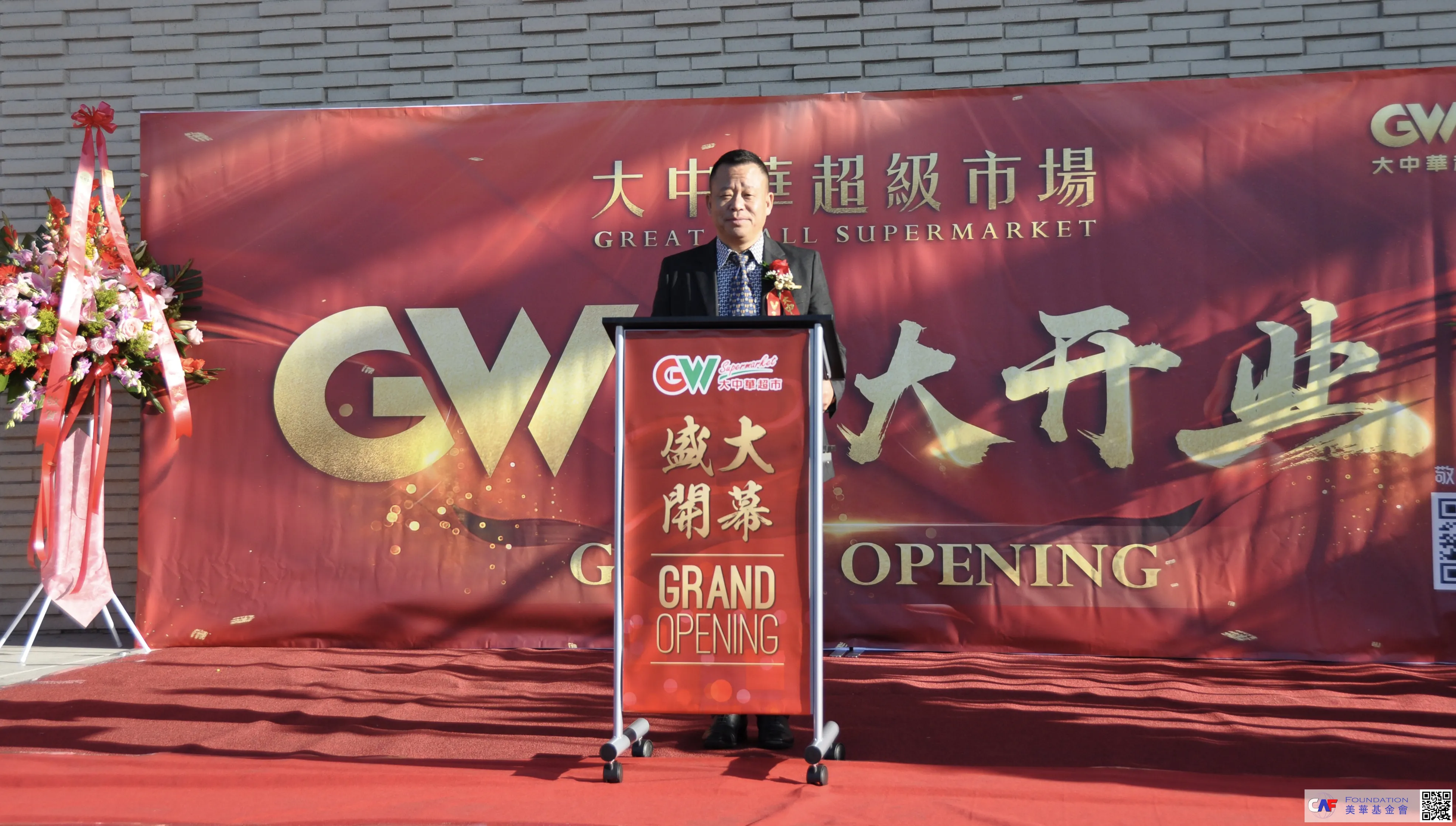
Grand Opening of Great China Supermarket Branch
Leaving home at a young age, aiming for the wider world.
Lihui Zhang was born into a working-class family in Yongjia County, Zhejiang Province. Independent and ambitious from a young age, he left home at 18 to seek his fortune and start a business elsewhere. After studying hairdressing for two months, he went to Yunnan to work in the industry and later moved to Hunan to open a hair salon, achieving notable success in both places.
He said that people from Wenzhou face harsh living conditions due to the region's high population density and limited land. It seems that Wenzhou people are born with a pioneering spirit. After years of wandering and striving, he gradually established himself and settled into a stable life. However, his intrinsic drive and resilience led him to decide, at the age of 27, to venture to the United States in search of broader opportunities and personal growth.
Lihui Zhang arrived in New York City in 1992 and began his new life in Chinatown.
Setting Up Stalls in New York: Driven to Develop
In the early 1990s in the United States, new immigrants from mainland China were still a rare sight. When Lihui Zhang arrived, he faced the challenge of being alone in a new land with a significant language barrier. How could he achieve his grand ambitions?
He mentioned, “After years of struggling in foreign lands, I’m not afraid of hard work; I’m willing to do any dirty or strenuous job. However, at that time, Chinatown was dominated by Cantonese speakers, and I didn't speak Cantonese, let alone English. So when I went for job interviews, Cantonese-speaking employers would not hire me if I couldn't speak their language.”
He said that his involvement in the supermarket business was, in a way, a result of being “forced” into it. Due to the lack of job opportunities, including working in restaurants, he had no choice but to start setting up roadside stalls in Chinatown, selling small items and vegetables. This chance endeavor laid the foundation for his future success in the fresh supermarket industry.
Thanks to his quick wit, diligence, and honesty, his small stall business quickly thrived, earning him $3,000 to $4,000 a month—much better than working for someone else. He gradually transitioned from selling vegetables at stalls to renting a store. However, due to the success of his store, others became envious and eventually bought out the entire property, refusing to renew his lease. Left with no other options, he had to move on and enter the next phase of his development. Thus, step by step, his path continued to expand.
Expanding Beyond Chinatown: Broadening the Business Horizons
In 1996, after four years of hard work, Lihui Zhang accumulated some savings. He decided to invest all of it and, with several partners, opened his first supermarket—Chinatown Supermarket—in the heart of Flushing, New York (which is essentially Chinatown). That same year, Chinatown Supermarket acquired another bankrupt supermarket, which solidified his idea of a chain concept. The supermarket expanded from initial spaces of several hundred or thousand square feet to tens of thousands of square feet.
He noted that, at the time, Asian Americans in the U.S. running supermarkets were mainly Taiwanese and Vietnamese, with very few from mainland China. Given that they had language and networking disadvantages, they were not seen as a significant threat by others.
Lihui Zhang explained, “Even though we didn’t understand everything, we were very hardworking. I told the employees that we could do more, better, and faster. We often started very early, going to get seafood and vegetables at one or two in the morning. With good prices and freshness, we attracted more and more customers and gradually made a name for ourselves in the fresh grocery business.”
After stabilizing his supermarket business in New York, Lihui Zhang did not stop there; he set his sights beyond Chinatown, to other states in the U.S. and even further afield.
In 2003, a significant year for Lihui Zhang’s business, he decided to sell all his shares in the original supermarket and venture out on his own, establishing a new name: Great China Supermarket. This decision was not impulsive; over the years, he had been busy traveling throughout the Eastern U.S., conducting market research, gathering information on various stores, negotiating, financing, and signing contracts. Through this process, he gained extensive industry experience. As a result, Great China Supermarket expanded rapidly in just five years, spanning four states in the Eastern U.S., with its chain model beginning to take shape.
Creating Chinese-American Business Districts: The 'Supermarket Frenzy' Sweeps Across the U.S.
Since the establishment of Great China Supermarket, Lihui Zhang has had greater space to showcase his business talents. With bold innovation and a forward-thinking approach, he and several Wenzhou partners rapidly opened branches in New York, Boston, New Jersey, and Virginia over a few years. Within less than 20 years, he created a logistics center to ensure the nationwide distribution of products for the Great China chain and established a strong trade network and business chain by collaborating directly with companies in China. The once-traditional supermarket group evolved into a chain that spans the entire East Coast of the U.S., extending south to Houston, Texas, and crossing both the East and West Coasts. Additionally, three logistics centers—East, West, and South—were set up to coordinate national product distribution. By 2018, the annual revenue of Lihui Zhang's Great China Supermarket chain grew from a few million to over 4 billion RMB, transforming it into a large-scale commercial group.
Lihui Zhang values integrity and management. At Great China Supermarket, he ensures that no stale vegetables, fruits, or expired products are offered. He said, “When we started with fresh produce, we understood customer needs and kept up with the times. Modern supermarkets can’t just offer traditional goods; they must also cater to the tastes of younger people while retaining traditional products. In a big city like Los Angeles, there are many Chinese supermarkets, but some of them have more traditional operating methods and products, which don’t attract as many customers. This is where we strive to capitalize on our strengths and avoid weaknesses.”
He has not stopped at running a supermarket chain. Under his leadership, the "Wenzhou Legion" has ignited a "supermarket frenzy" in the U.S., contributing to the formation of local Chinese-American business districts. He noted that, while establishing supermarkets, he also focuses on business district development, integrating real estate, especially in less densely populated states beyond the East and West Coasts. People drive long distances not only to buy fresh produce and groceries but also to enjoy special Chinese cuisine and other Chinese services in the business district.
He added that such business districts do not necessarily need to be in areas with a high Chinese population. In the U.S., business should not be limited to serving only the Chinese community, as there is also significant demand for fresh products among American communities. In cities with predominantly non-Asian populations, Great China Supermarket thrives, with many Americans familiar with Chinese products and even bringing their children to learn about Chinese culture, sometimes visiting weekly. This integration and development of ethnic communities create genuinely meaningful business districts, moving beyond the traditional Chinatown stereotype.
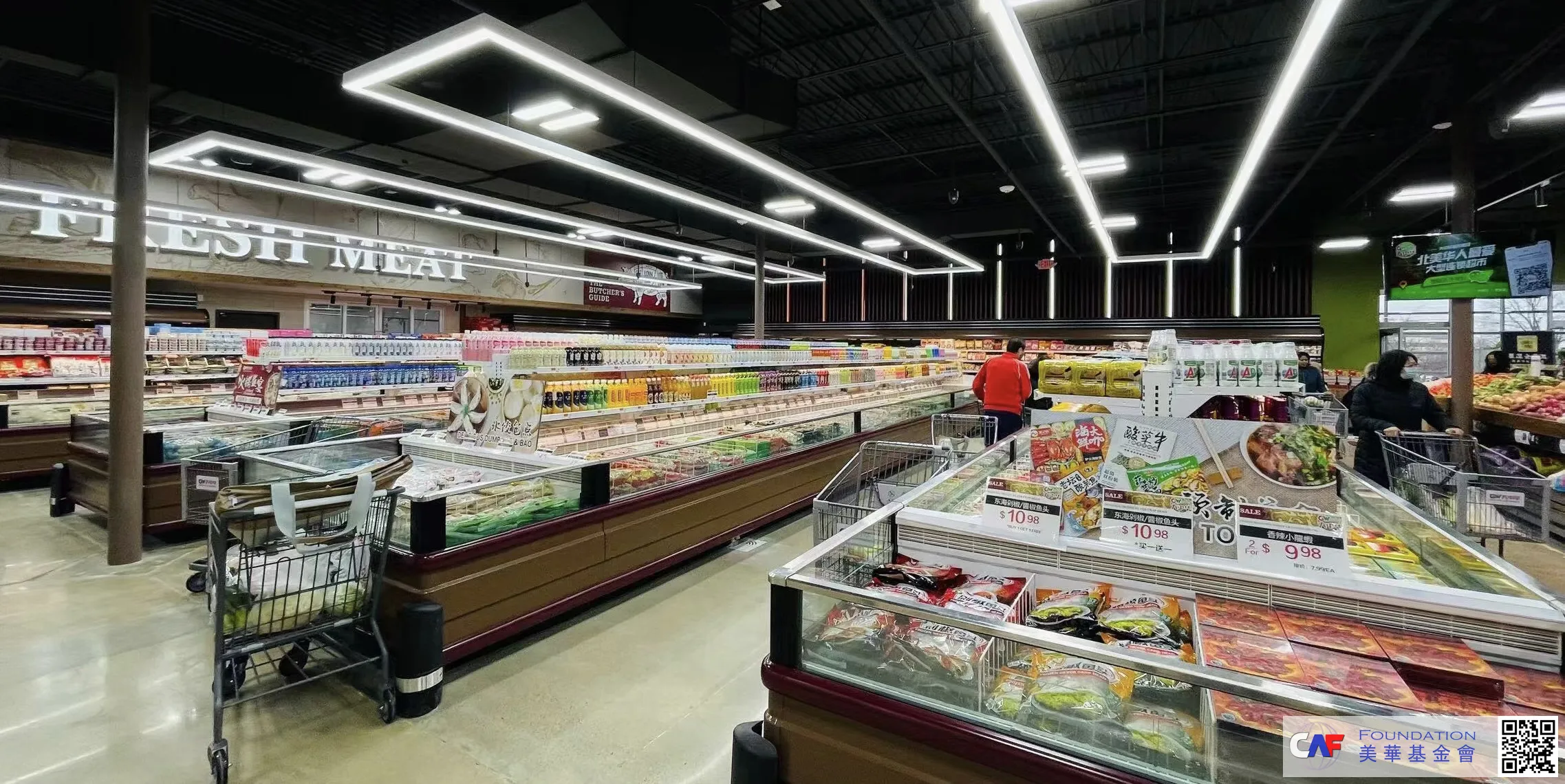
A Corner of Great China Supermarket
Balancing Business and Family: Preparing for Opportunities in a Favourable Environment
Over the decades, Lihui Zhang has diligently built a new Asian fresh food supermarket empire from scratch. Despite his business success, he has some regrets about his family life. He acknowledges that his frequent business trips and busy schedule meant he couldn’t be as present during his eldest daughter’s formative years, which he feels guilty about. However, as his eldest daughter has started her own family and had children, she better understands the challenges of entrepreneurship. During his younger daughter’s upbringing, his business was more stable, and he aimed to spend more time with her and avoid being absent from her growth.
Before the pandemic, Great China Supermarket Group was expanding rapidly, but the unprecedented crisis changed the landscape. Some new store projects in negotiation were halted, and construction progressed slowly. Inflation had a significant impact on supermarkets and trade, with container prices increasing tenfold. Raising prices could greatly affect the lives of ordinary people, which Lihui Zhang is most concerned about.
He said the current U.S. economic environment is not optimistic, and the company should focus on accumulating strength and resources and adapt to the situation. During the pandemic, changing consumer behavior and difficulty finding staff mean it's not the right time to rush into opening new stores. The current strategy is to focus on acquisitions to save time and renovation costs. Lihui Zhang remains optimistic about the broader U.S. market and is not worried about competition. The market is large, and Chinese-American populations are shifting from high-cost areas on the coasts to places like Atlanta and Texas.
In times of severe inflation, running a supermarket is especially challenging. He is cautious about raising prices, as even a small increase can significantly impact ordinary consumers' lives. Lihui Zhang emphasizes that price adjustments should be carefully considered to maintain the quality of life for the public.
He also mentioned that while the supermarket has donated various items during domestic disasters and pandemics, they do not publicize these contributions. During the U.S. pandemic, they donated masks and other supplies. He believes that companies should do more and speak less about their contributions.
His supermarkets and business districts across states have developed steadily, earning a good reputation and attracting consumers from various ethnic backgrounds, which is something he values and is pleased to see.

Zhang Lihui and his wife Pan Sailu at the event site
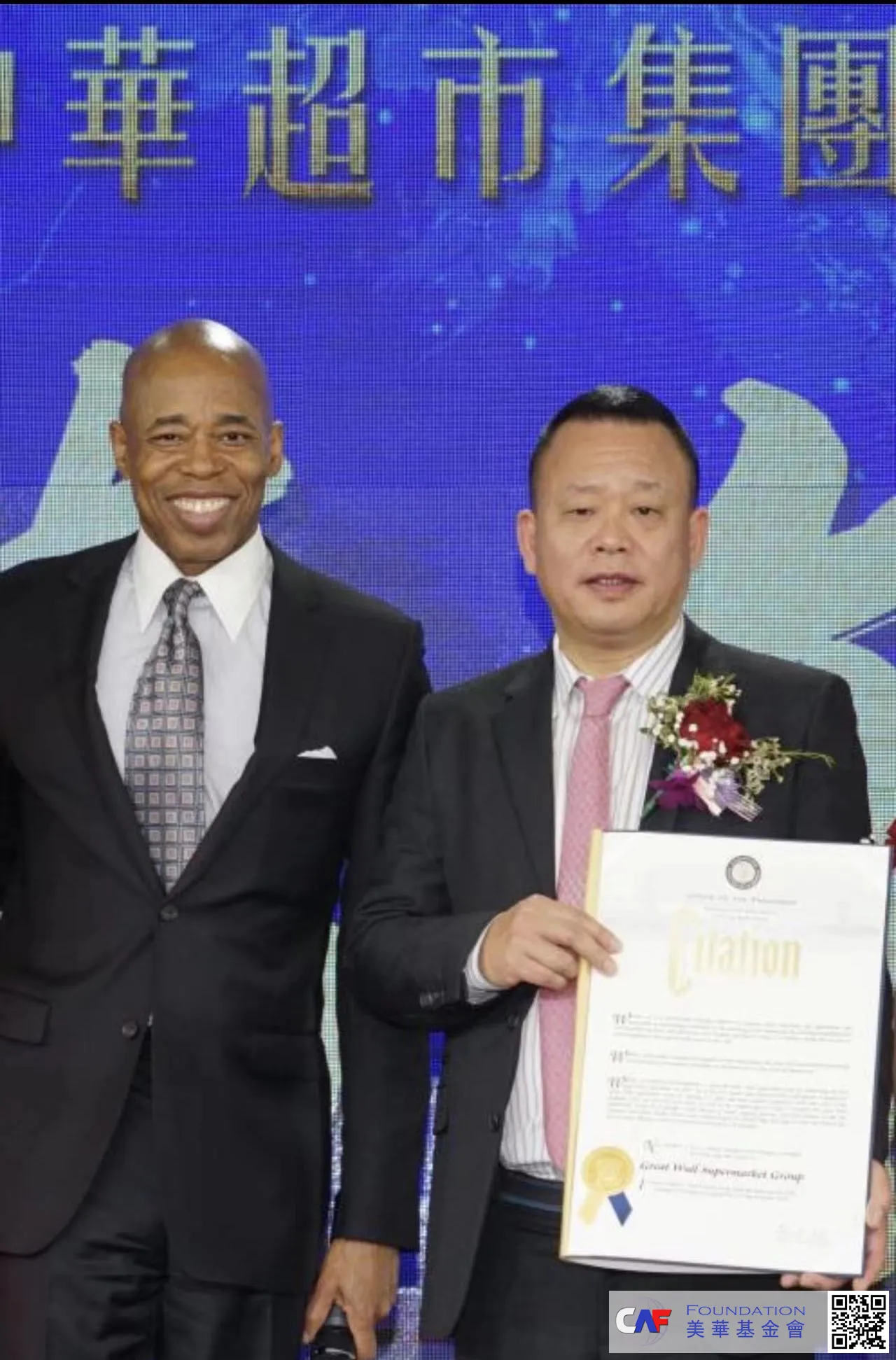
New York City Mayor Adams (left) presents a certificate to Chairman Zhang Lihui
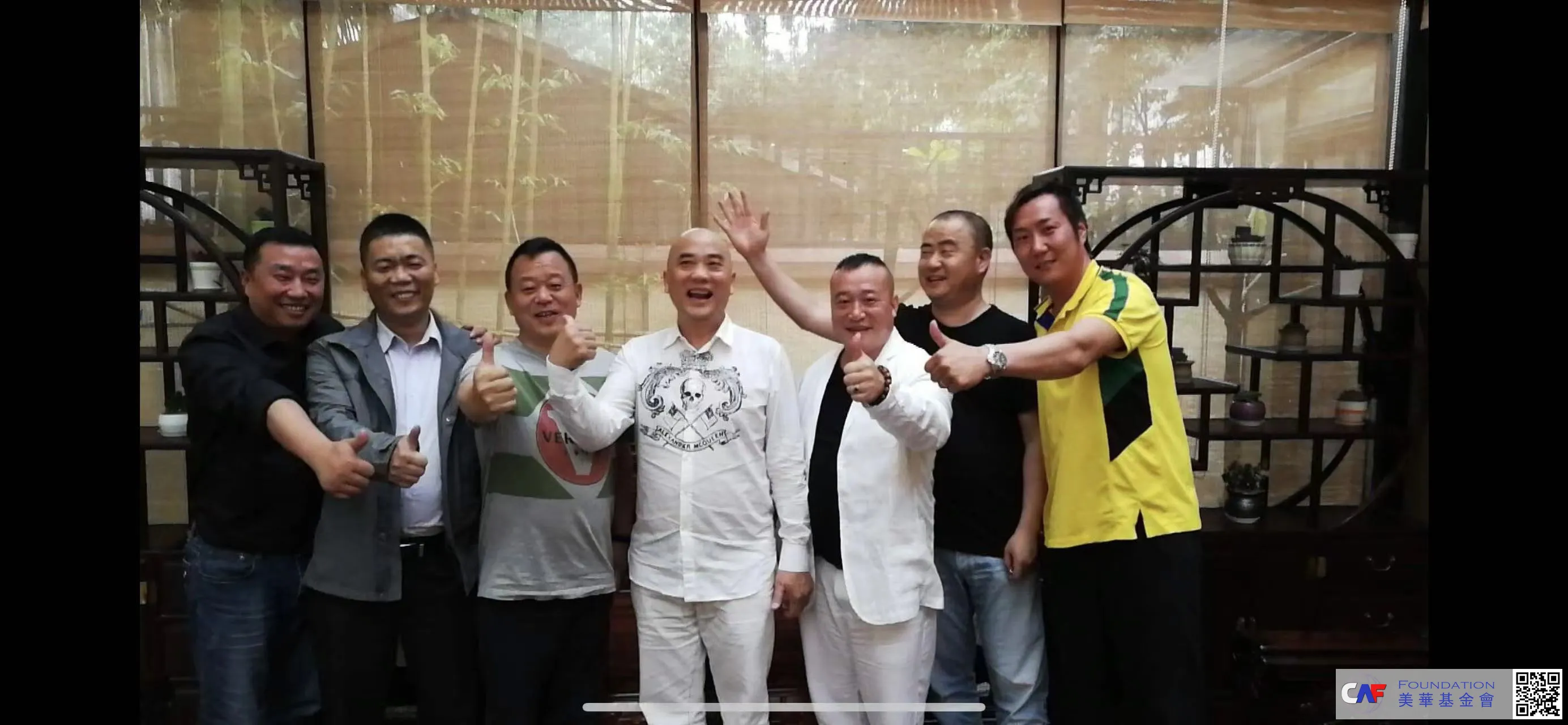
朋友们赞誉有加
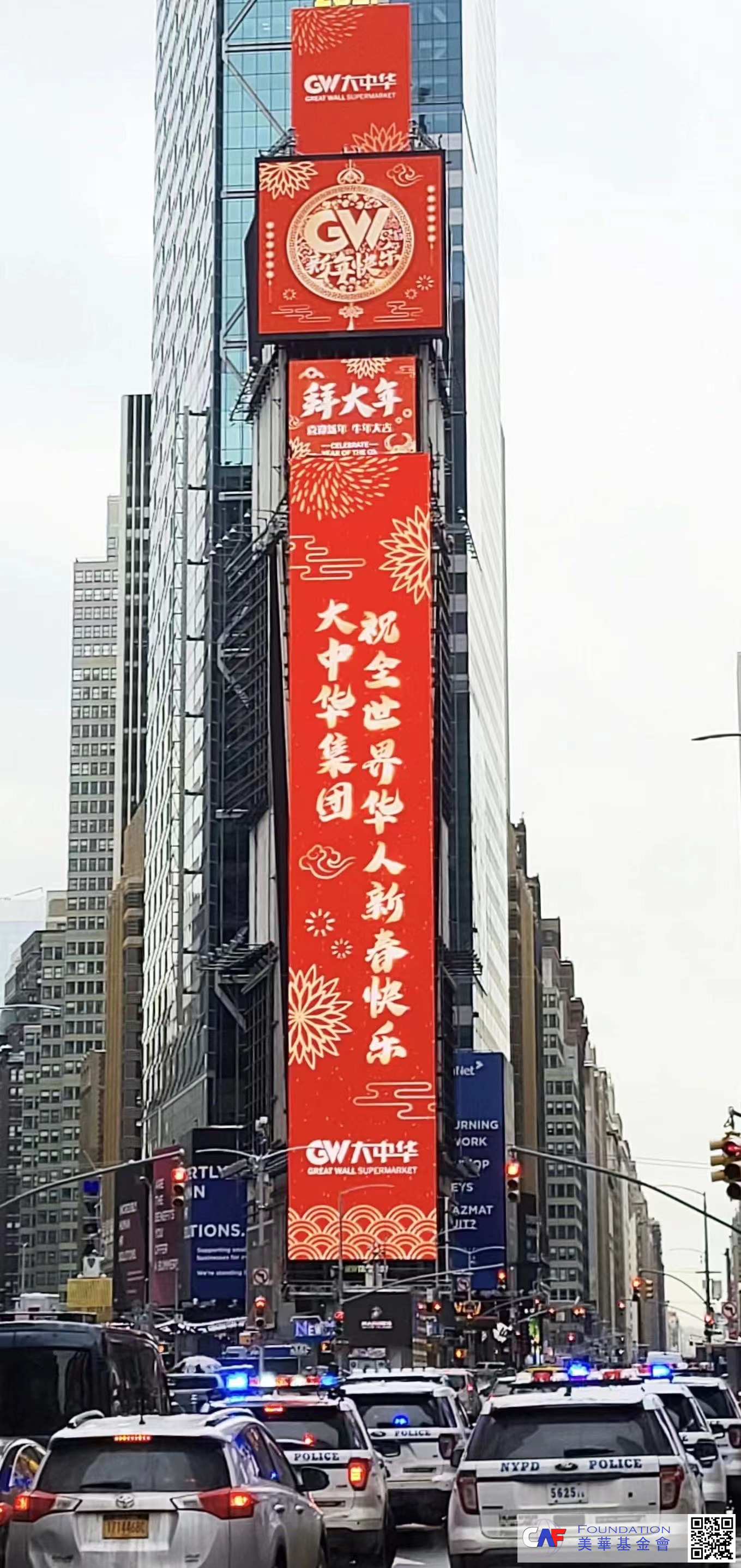
大中华超市庆祝中国春节
[Data Collection: Chinese American Foundation / Text Editing and Compilation: UNE]